First meeting of the Russian-Indian Discussion Club
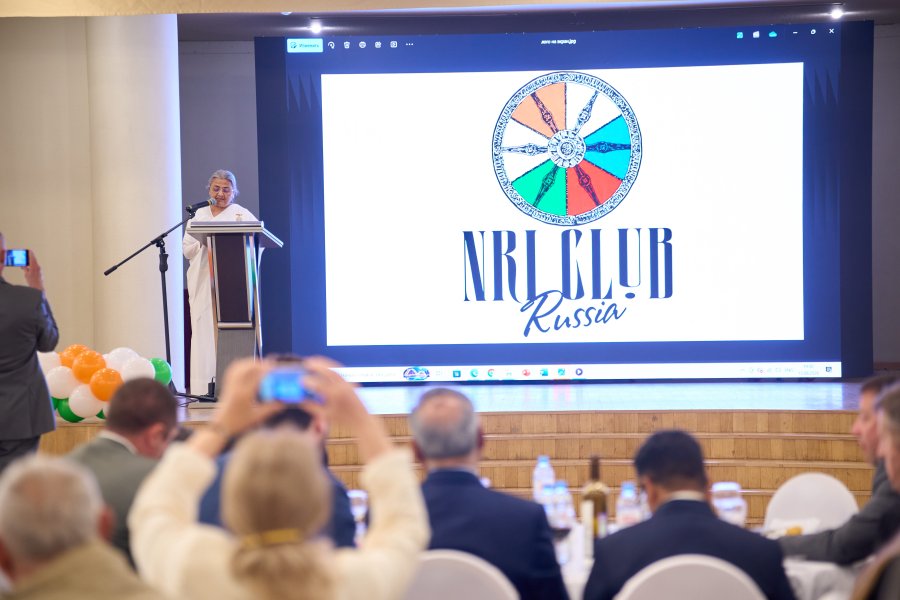
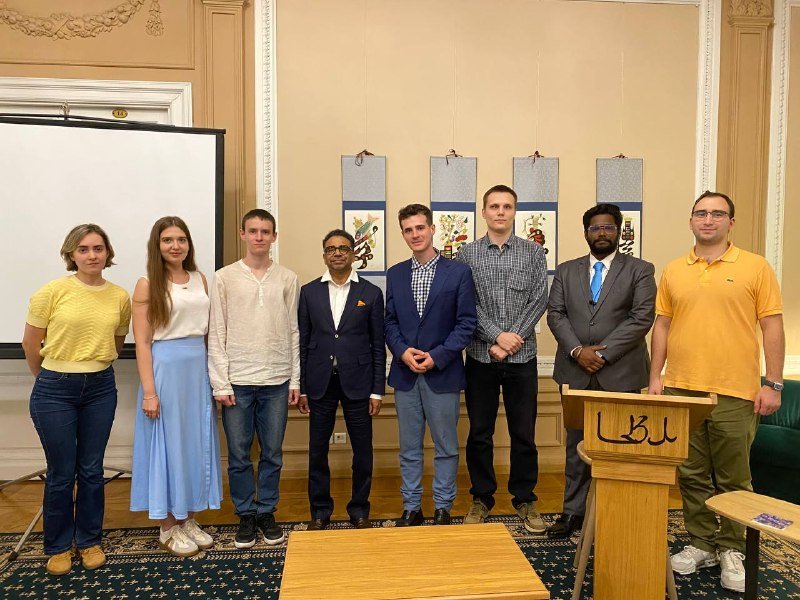
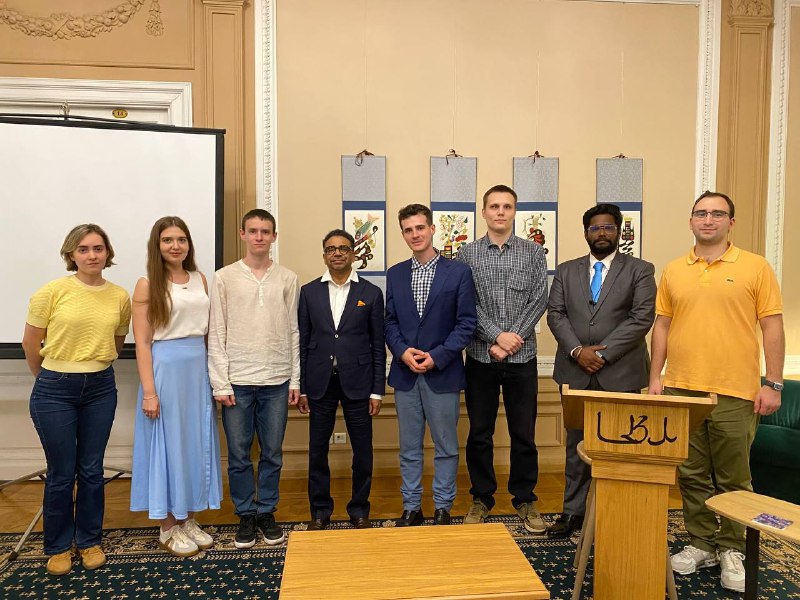
On June 30, the Centre for Oriental Literature hosted the first meeting of the Russian-Indian Discussion Club, organised by the Autonomous Non-Profit Organisation ‘Blizhniy Klub - Indian Compatriots in Russia’ (NRI Club, Russia). The event brought together young experts in various fields of Russian-Indian relations, politics, economy and culture.
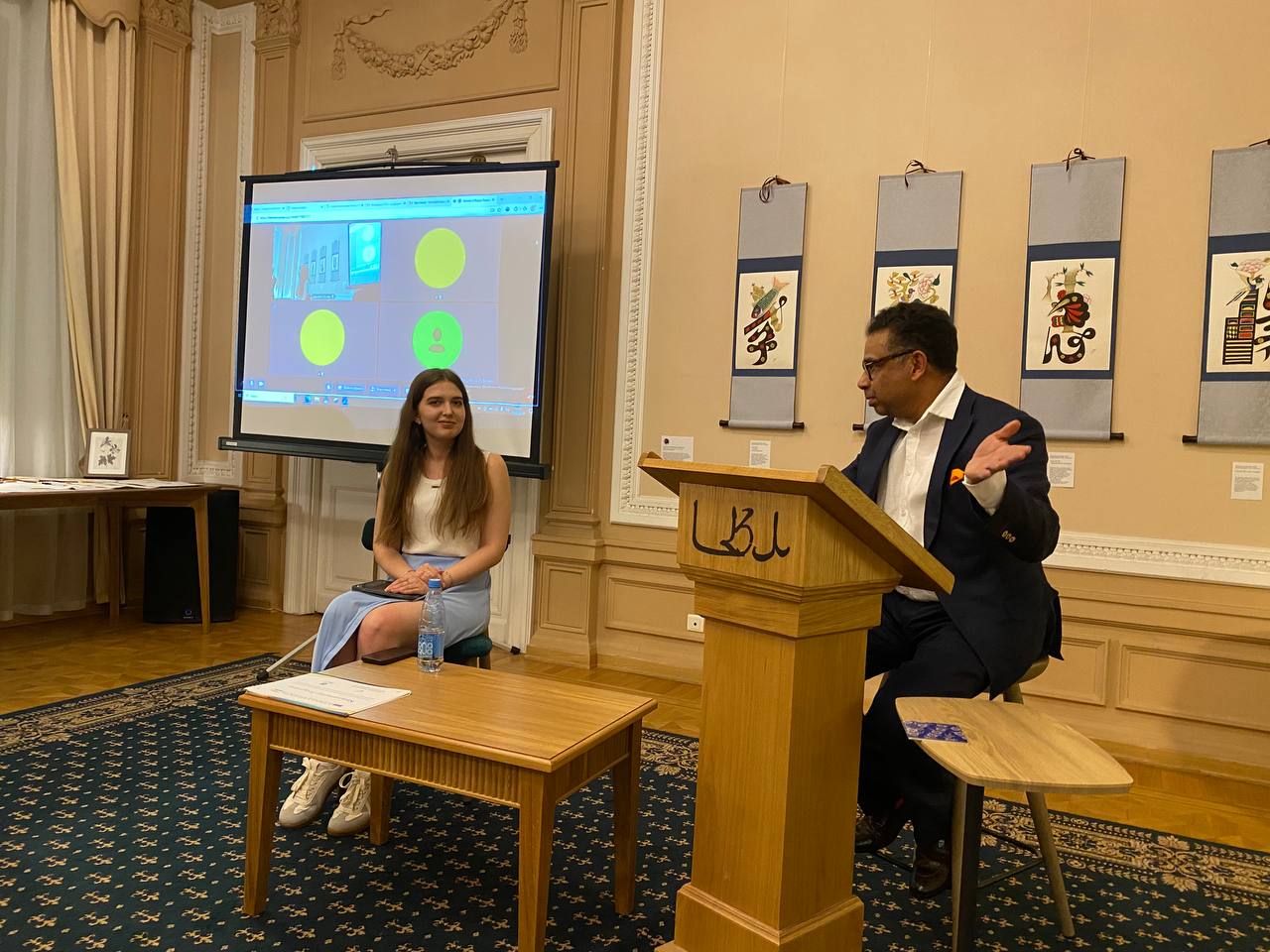
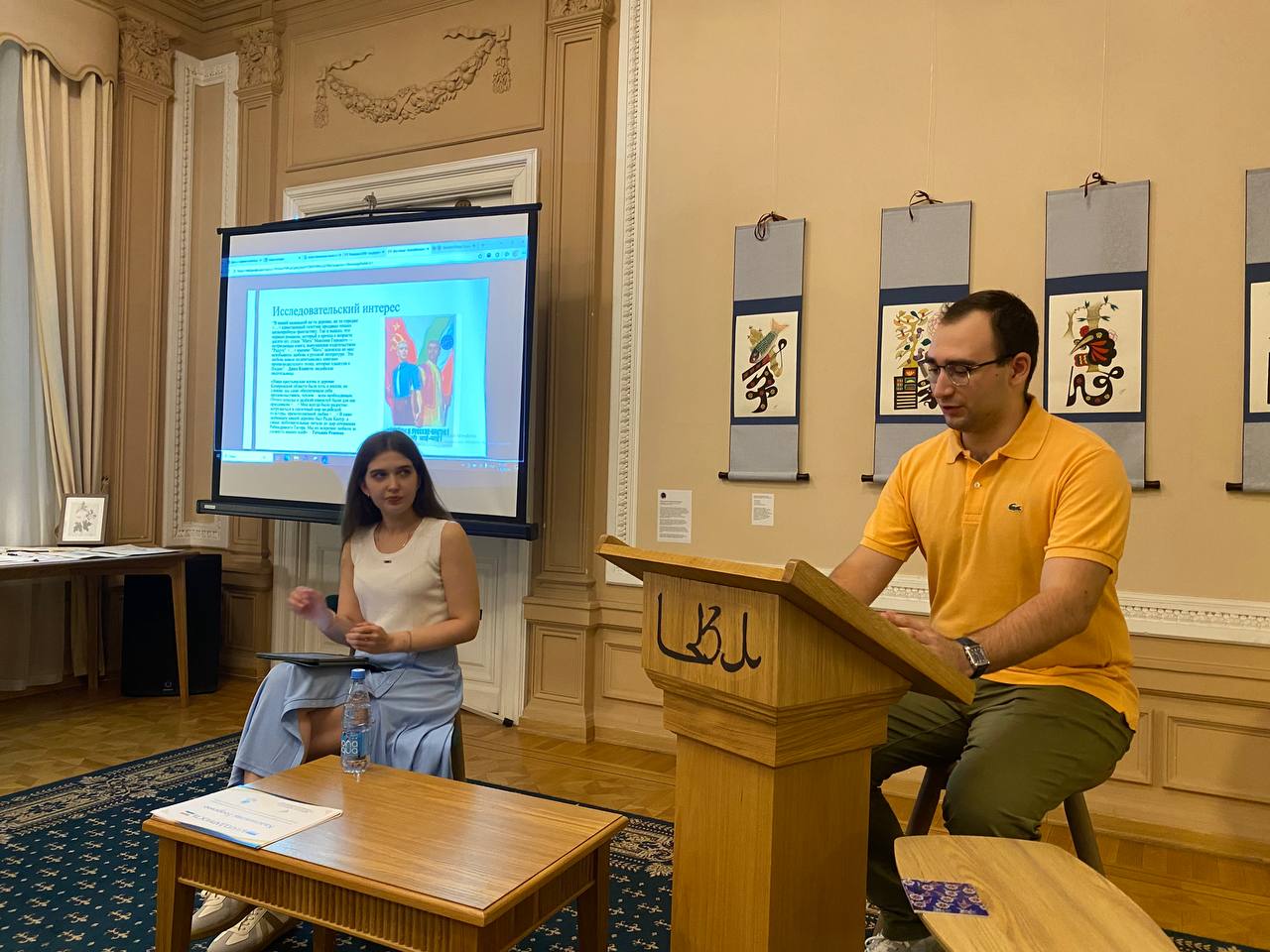
The meeting was moderated by Valeria Filatova, Chair of the Indo-Iranian Club of the MGIMO Student Academic Society.
The central theme of the meeting was the history of Russian-Indian relations, with speakers being students from MGIMO University under the Russian Ministry of Foreign Affairs, the Institute of Asian and African Studies at M.V. Lomonosov Moscow State University, and the Ural Federal University.
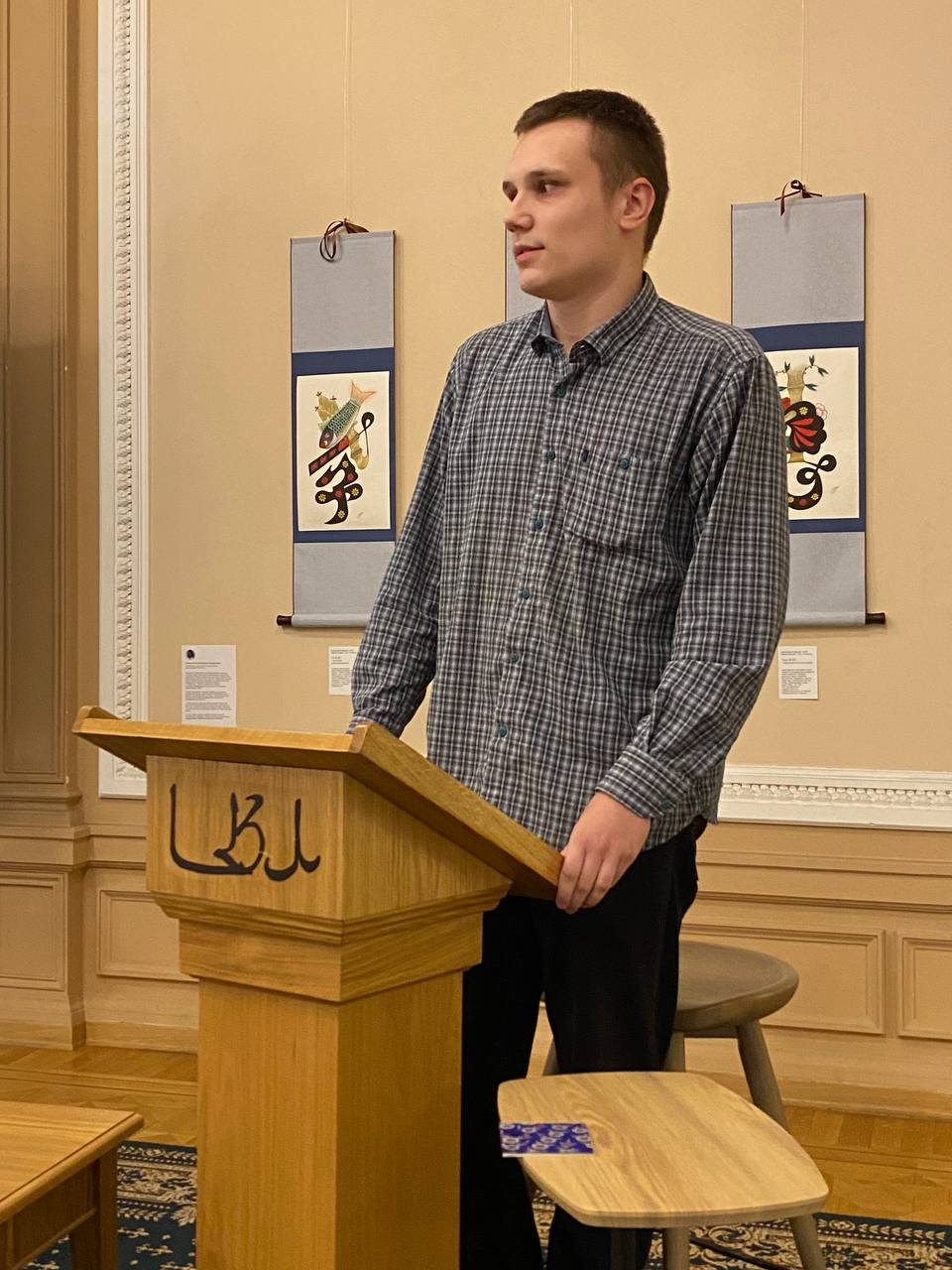
The presentation by MGIMO student Georgy Kvasnikov, entitled ‘Soviet-Indian cultural cooperation in the fields of literature and cinema, 1953–1964’, was based on statistical data on Soviet film distribution during the period in question, including figures from rural areas. Georgy’s research showed that Indian films such as ‘The Vagabond’, ‘Shree 420’ and ‘Dhool Ka Phool (Flower of Dust)’ enjoyed enormous popularity in the USSR due to their emotional depth and musicality. Soviet films in India, by contrast, could not compete with other movies, as ideological screening of films diminished their artistic appeal, whilst censorship in India restricted their commercial distribution. Nevertheless, the situation was different in the sphere of literature: the finest classical works were selected for translation into the languages of India, published at affordable prices and in high demand. In turn, Indian literature in the Soviet Union was poorly represented, largely because the ideological component prevailed over the artistic one. Following the presentation, the participants of the discussion club exchanged their remarks on the current state of Russian-Indian cinematic ties.
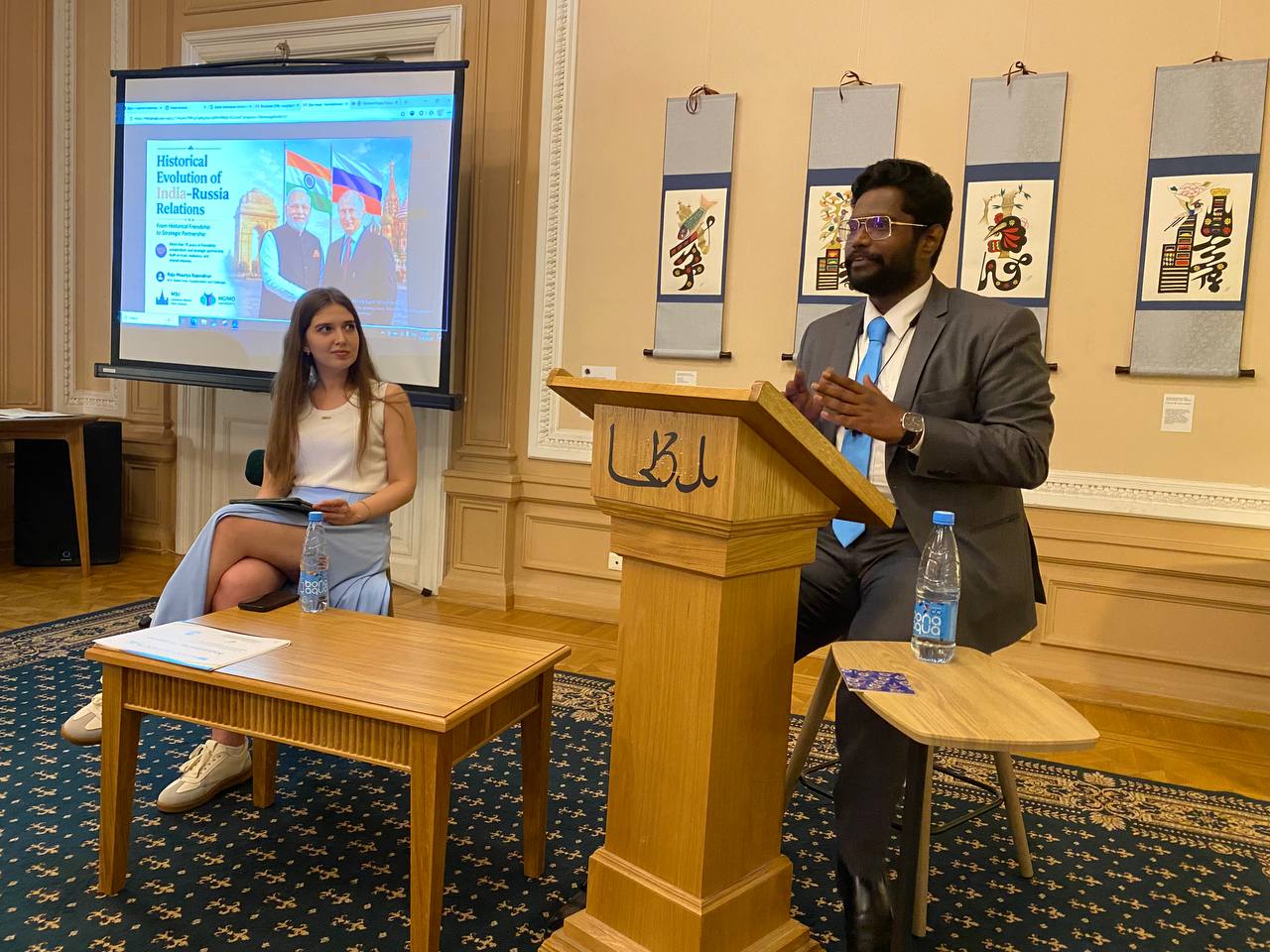
A presentation entitled ‘The Historical Evolution of Russian-Indian Relations’ was given by Raja Maurya, a Master’s student at MGIMO. The speaker noted that relations between the two countries are one of the most striking examples of international cooperation, characterised by mutual trust and respect, as well as the adaptability to a changing international environment. After providing a chronological overview of the historical periods of bilateral cooperation, Raja emphasised that the current phase of Russian-Indian interaction is characterised by the development and deepening of ties in the realms of defence, energy, trade and education, with particular attention paid to Russian-Indian cooperation within the framework of multilateral platforms such as BRICS, the Shanghai Cooperation Organisation (SCO) and the G20. The speaker concluded that, whilst national governments and leaders have played a crucial role in the history of Russian-Indian relations, the future of the bilateral strategic partnership will increasingly depend on people-to-people ties, academic exchanges, cultural interaction and multi-faceted cooperation between future generations in Russia and India.
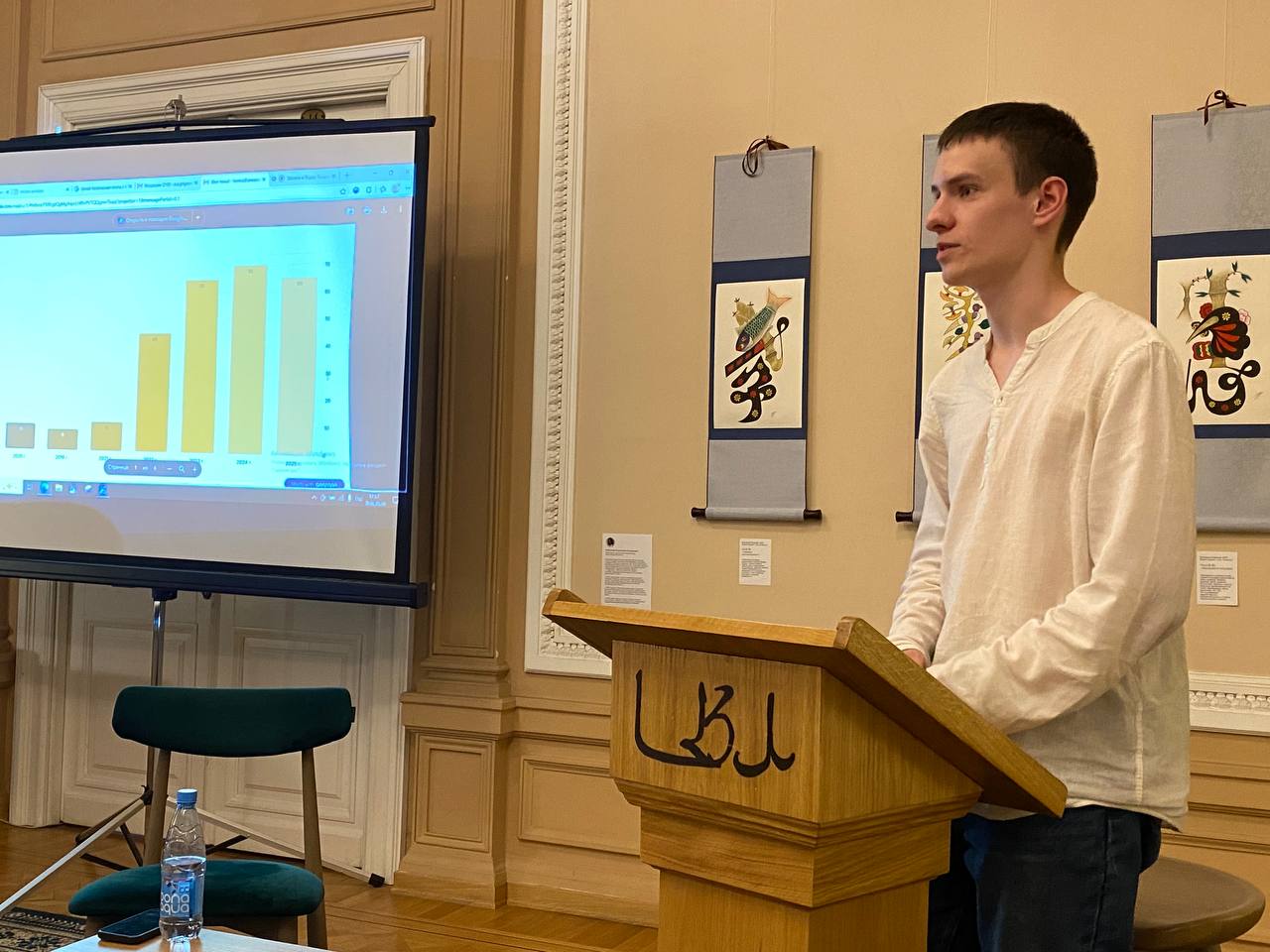
MGIMO student Timofey Shirokov delivered a presentation entitled ‘Increased trade between Russia and India in the 2020s’. The presentation noted that Russian oil has been consistently supplied to India by sea since 2022, for which the Eastern Corridor and the Vladivostok-Chennai Corridor have been established. The current state of affairs is beneficial for India which has the opportunity to profit from the re-export of oil. For its part, the US finds itself in an ambiguous position: on the one hand, it gains a means of exerting pressure; on the other, however, Russian oil not only reaches Europe but also meets some of the Indian market’s needs. In these circumstances, the EU and the US are taking a series of measures to counter Russian oil supplies to India including secondary sanctions, tariffs and political pressure. In response to pressure from Western countries, Russia and India deepen their institutional cooperation, based on participation in international projects and long-term ties.
Semyon Vorobyov, a student at the Institute of Asian and African Studies, Moscow State University, presented a paper entitled ‘The Indra Exercises: History and Contemporary Challenges’. The speaker briefly outlined the history of military cooperation between Russia and India stating that since the late 1990s, the two countries have collaborated in two areas - the joint development of weapons and the conduct of joint military exercises. During the exercises, the Indian military could observe the use of Russian weapon systems and decide on their procurement, having seen the capabilities of the military equipment first-hand. Furthermore, Russia and India actively exchanged counter-terrorism expertise, which was the central theme of bilateral agenda in the 2000s and 2010s.
The 2020s proved to be a challenging period for the Indra exercises: due to the COVID-19 pandemic and the escalation of the Russia–Ukraine conflict, the exercises were temporarily suspended. It was not until 2025 that the exercises were fully resumed, and currently they continue to serve as a significant platform for the exchange of knowledge and experience between representatives of the Russian and Indian armed forces.
In a report by Sofya Fiskova, a student at the Ural Federal University, entitled ‘Russian-Indian economic cooperation as a factor in strategic stability in South Asia (2019–2025)”, the prospects and problematic aspects of economic relations between Russia and India were examined, as well as the impact of Russian-Indian economic collaboration on strategic stability in South Asia. The author identified the nuclear industry, business and investment projects, and the oil and gas extraction industry as the main areas of future potential (as of December 2025), noting among factors that may complicate bilateral relations sanctions and pressure from the US and Western states, as well as an imbalance in trade flows and logistical difficulties.
Guest speaker Aza Shringar highlighted the topical and multifaceted nature of the presentations, emphasising the importance of raising Russian public awareness of India, its history, cultural and linguistic diversity, and traditions, as well as the past and present of the Russian-Indian partnership.
In turn, in his closing remarks, Mr. Devadathan Nair, Director of the autonomous non-profit organization ‘Blizhniy Club - Indian Compatriots in Russia’, stressed the significance of youth expert forums for the development of Russian-Indian academic and intercultural dialogue, as well as for helping future international relations analysts to hone the necessary professional and research skills.
Following the event, a final collection of papers is planned to be published, which will enable a wider audience to get familiar with the research findings of young indologists. The format of thematic discussion clubs will be established as a regular event of NRI Club, Russia
Other Events