Diwali: From Inner Light to Universal Fire
Every October, Indians around the world take time to celebrate Diwali—the festival of lights, renewal, and homecoming. For Indians in Russia, this season also brings a wave of nostalgia as members of the Indian community gather in Moscow, Saint Petersburg, and other cities to share in the familiar aroma of ghee lamps, savor the taste of cardamom sweets, and enjoy the spirit of India far from home.
The History of the Holiday
The history of Diwali begins in the heart of the Ramayana: Diwali marks the return of Lord Rama to Ayodhya after 14 years of exile. His return symbolized the triumph of good over evil and light over darkness. The lamps (diyas) that lit his path have since become symbols of hope, virtue, and the belief that good will always return. For many, the holiday is also connected to Goddess Lakshmi—the bestower of prosperity and grace. As a sign of respect for Lakshmi, people decorate their homes on the day of celebration and leave their doors open to welcome her blessings.
Three Days of Traditions
The festival of Diwali is traditionally observed over three days. It begins with Dhanteras—a day believed to bring wealth and prosperity, when families buy gold, silver, or utensils as a symbol of good fortune. This is followed by Choti Diwali—a quieter evening of lighting the first diyas and preparing festive sweets. The third day, Diwali, marks the main celebration: prayers to Shri Lakshmi, fireworks, and the glow of lamps uniting homes and hearts across the world.
Traditions and Modernity
Traditionally, celebrating Diwali was associated with handwritten invitations on gold paper, trays of homemade sweets exchanged between neighbors, and evenings of quiet prayer. Today, the festival still retains its emotional significance but has also evolved into a grand social event.
Markets seem to shine with gold, and the prices for gold goods rise sharply. During the Diwali period, purchasing gold represents not only tradition but also prestige. Some confectioners even decorate their sweets with edible gold leaf.
When Spiritual Practice Meets the Entertainment Industry
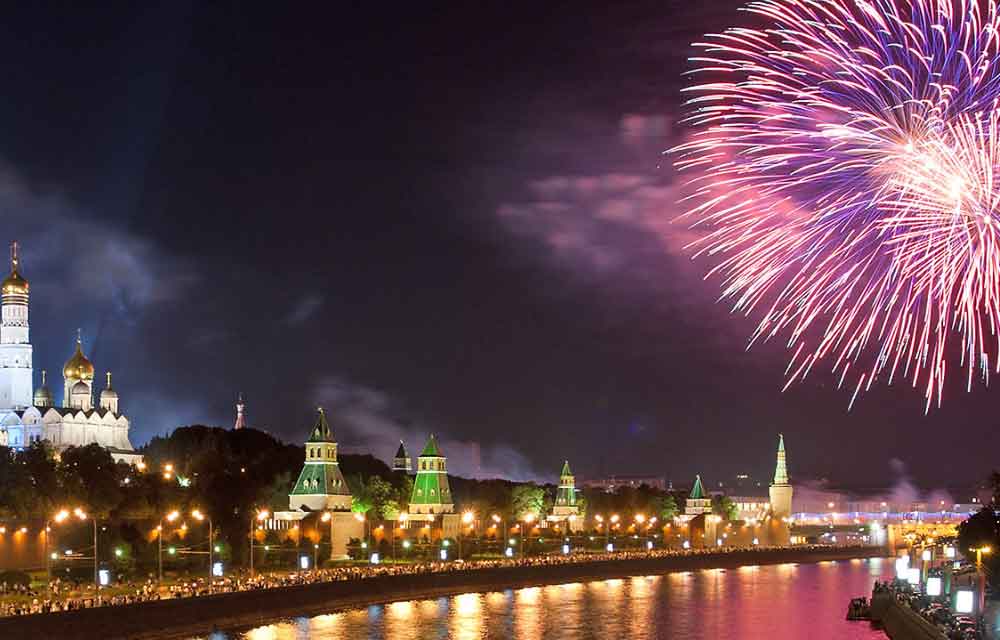
In many ways, the celebration of Diwali reflects the realities of modern life. The modest lamp, which once symbolized inner clarity, now stands in contrast to laser shows and luxurious gift baskets. Invitations now arrive as WhatsApp messages or exclusive event cards, while festive fireworks outshine the stars. Many Indians believe that somewhere along the way, the quiet spirituality of Diwali—which for many still means an opportunity to pause for reflection, forgiveness, and a new beginning—has faded against the backdrop of increasingly grand celebrations.
A New Generation's Diwali
Yet there is hope. Among the younger generation, especially Indians abroad, there is a growing desire to restore the holiday’s meaning. Many Indians, including those in Russia, arrange small home gatherings for family and friends, organizing shared meals and traditional celebrations—fewer firecrackers and more soulful conversations. For them, Diwali is not about gold, but about light: the warmth of unity, the light of good intentions, and a reminder that faith does not have to be loud to shine.