Memory That Brings Us Together: Why Victory Day Matters to India and Indians in Russia
In Russia, May 9 cannot be viewed as just another date on the calendar. On this day, the country grows quiet, turning its attention to its own history. St. George ribbons appear on the streets, fresh flowers carpet memorials, and families carry portraits of relatives who lived through the war. For Russians, Victory Day is deeply personal, bound up in family histories and a profound awareness of the immense price paid for peace.
For Indians in Russia, this holiday is vital to understanding the country. Gaining a deeper feel for Russia takes more than visiting Red Square, the metro, museums, or university lecture halls. You have to understand why May 9 is about more than history. It is about dignity, resilience, and honoring a generation that survived the harshest of trials.
India also knows the weight of a difficult history. During World War II, over 2.5 million Indians served in the British Indian Army. It was one of the largest volunteer armies of the time. Indian soldiers fought across North Africa, Italy, the Middle East, and Southeast Asia. They braved desert heat, mountain passes, heavy combat, and long months away from home. Millions never made it back to their families.
India’s role in the Allied victory has long been overshadowed by the major European stories of World War II. Yet, this history deserves more attention. Behind the raw data are real human lives, letters home, and anxious families waiting for their return. The war remains a complex part of India’s history. The country was not yet independent. Even so, millions of Indians stepped up to help defeat a massive threat to world peace.
This is where India and Russia find common ground. Russian wartime memory centers on honoring a national sacrifice that endured colossal losses. Similarly, India’s memory of the war preserves stories of courage, duty, and sacrifice. While these two histories stem from different experiences, they are deeply aligned in their shared human spirit.
For Indians in Russia, Victory Day offers a powerful moment of recognition. Indian culture places immense value on family, honoring elders, respecting ancestors, and remembering those who protected their homes. Russia’s May 9 tradition shares those exact values. When people march with photos of their grandfathers and great-grandfathers, it resonates as a deeply personal family gesture filled with grief, gratitude, and quiet pride.
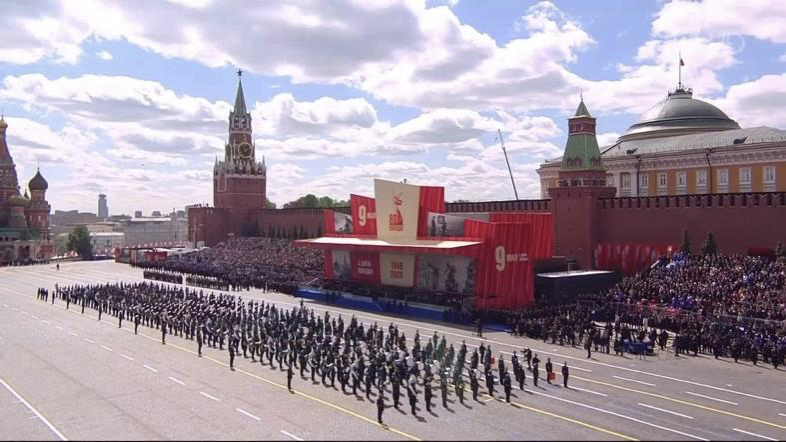
The Victory Day parade on Red Square, the wreath-laying ceremonies, commemorative concerts, and events in schools and universities create a profound atmosphere. To a foreign visitor, it may seem as though the entire country speaks with a single voice on this day. Yet, that voice is built from millions of private histories. Every family holds its own memory: the front lines, the home front, the blockades, the hospitals, evacuations, the wait for letters, and the eventual return home.
For Indian students, doctors, entrepreneurs, and professionals living in Russia, joining these memorial events brings them closer to the local community. Victory Day highlights the shared human values that define Russia.
There is a broader meaning here as well. Russia and India have long spoken to one another in the language of trust and friendship. Military-technical cooperation, education, science, energy, medicine, and culture form a solid foundation for their relationship. Yet, true closeness between nations grows from the ability to understand each other’s history. Victory Day builds that exact bridge of understanding.
For India, May 9 is a meaningful time to reflect on its own role in the global fight against fascism and militarism. For the Indian community in Russia, the day offers a sense of belonging to a shared global history that honors the diverse nations and individual lives involved. The victory was a collective achievement because the war left no corner of the world untouched.